Lighting is the essence of photography. It’s the element that can turn a good photograph into a breathtaking one. Natural lighting, in particular, is both powerful and versatile, making it a favorite among photographers of all levels. In this guide, we’ll explore how to harness natural light to create stunning images, no matter the situation.
The Golden Hour: Why Early Morning and Late Afternoon Light is Your Best Friend
The Golden Hour, which occurs shortly after sunrise and before sunset, is revered by photographers for its warm, soft light. The sun is low in the sky, casting long shadows and creating a diffused glow that’s perfect for portraits and landscapes alike.
- Tips for Shooting During the Golden Hour:
- Plan your shoot around sunrise or sunset to take full advantage of this light.
- Use the low angle of the sun to create dramatic shadows and highlights.
- Experiment with silhouettes by placing your subject between the camera and the sun.
Overcast Days: How to Make the Most Out of Diffused Light
Overcast skies may seem dull at first, but they provide a natural diffuser for sunlight. This softens harsh shadows and creates even lighting, ideal for portrait photography and close-up shots.
- Tips for Shooting on Overcast Days:
- Embrace the soft light for flattering portraits.
- Increase your ISO slightly to compensate for the lower light levels.
- Use a reflector to add some light to your subject’s face if needed.
Backlighting Techniques: Creating Silhouettes and Dramatic Effects
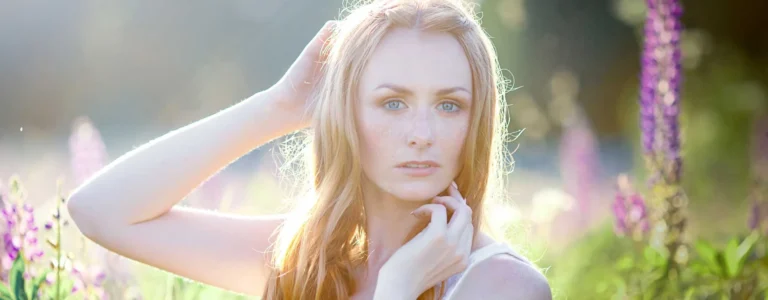
Backlighting occurs when the main light source is behind your subject, creating a rim of light around them. This technique can be used to create dramatic silhouettes or highlight certain features, like hair or a translucent object.
- Tips for Shooting with Backlighting:
- Expose for the background to create a silhouette effect.
- Use a reflector or fill flash to add some light to the front of your subject if needed.
- Try shooting during the Golden Hour for softer, more manageable backlighting.
Reflectors and Light Modifiers: Simple Tools for Enhancing Natural Light
Reflectors are one of the most affordable and effective tools for modifying natural light. They can bounce light back onto your subject, fill in shadows, or even create a soft glow.
- Tips for Using Reflectors:
- Position the reflector opposite the light source to fill in shadows.
- Use a white or silver reflector for a neutral, bright reflection.
- Experiment with different angles to see how the light changes on your subject.
Real-World Examples: Comparing Photos with Different Lighting Setups
Understanding the theory is one thing, but seeing it in action is another. Here are some real-world examples of how different lighting setups can affect the final image:
- Golden Hour Portrait: A portrait taken during the Golden Hour, with warm, soft light and long shadows.
- Overcast Day Landscape: A landscape shot on an overcast day, with even lighting and soft colors.
- Backlit Silhouette: A silhouette shot with the sun directly behind the subject, creating a dramatic outline.
Conclusion:
Mastering natural light is key to becoming a better photographer. By understanding how to use and manipulate light, you can create stunning images in any situation. So next time you head out with your camera, remember these tips and let the light guide you.